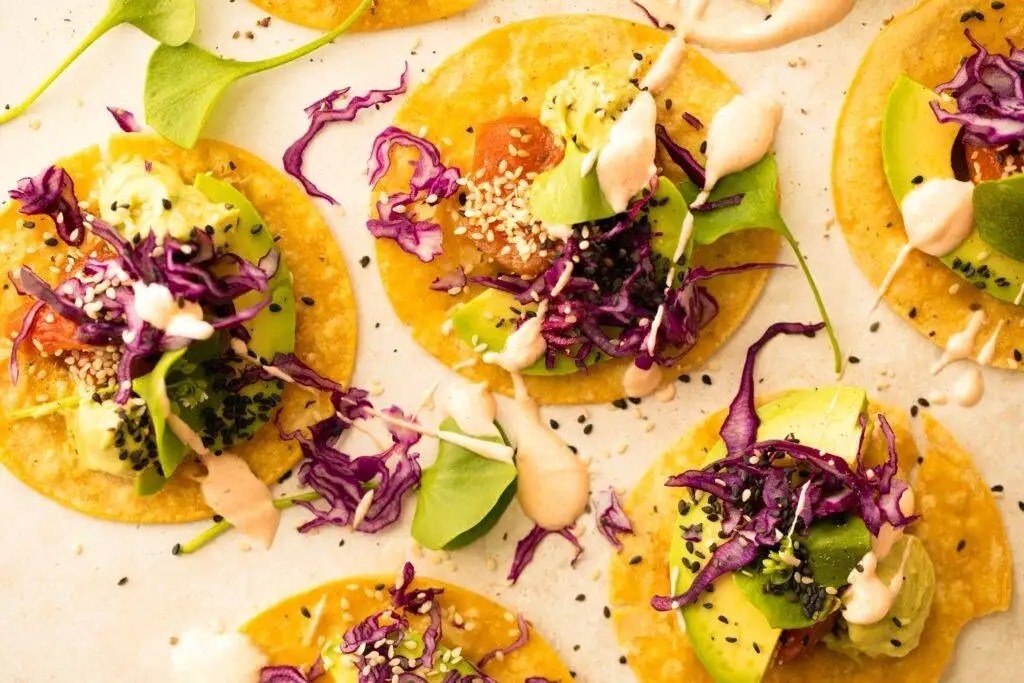
The vast and varied landscape of the American West has long captured the imagination, but its influence extends far beyond panoramic vistas to the dinner table. Here, Local Flavors & Western Cuisine isn't just a category; it's a testament to innovation, resilience, and a delicious fusion of cultures. From the sun-drenched coasts of California to the misty rainforests of the Pacific Northwest and the volcanic islands of Hawaii, this region boasts a culinary identity as diverse as its geography.
It’s a place where traditional techniques meet cutting-edge creativity, where indigenous ingredients blend seamlessly with global influences, and where sustainability often takes center stage. This isn't just about what's on the plate; it's about the stories, the people, and the spirit that make Western American food truly unique.
At a Glance: The West's Culinary Wonders
- A Melting Pot: Experience diverse cultural influences, from Asian to Mexican, shaping unique dishes.
- Innovation at Its Core: The West is a culinary incubator, consistently creating new dishes and trends.
- Farm-to-Table Ethos: A strong emphasis on fresh, local, and sustainable ingredients, especially in California and Oregon.
- Seafood Paradise: Coastal states offer an abundance of fresh fish and shellfish.
- Craft Beverage Haven: Home to world-renowned wineries, breweries, and distilleries.
- Iconic Comforts: Discover dishes that are both deeply traditional and uniquely regional.
Unpacking the Western Plate: A State-by-State Culinary Journey
The Western United States spans an incredible range of ecosystems and cultural histories, each contributing distinctive ingredients and cooking styles. Let's explore some of the most celebrated dishes and food products that define this vibrant culinary landscape.
California: The Golden State's Global Palette
California's culinary scene is an undeniable powerhouse, a trendsetter that constantly redefines what "American food" means. It's a place of bountiful agriculture, endless coastline, and a rich tapestry of immigrant communities, all contributing to its dynamic local flavors.
Iconic Dishes Born in California
When you think of California, you might picture fresh produce or innovative chefs. Here are some of the dishes that have become synonymous with the state:
- Cioppino: This robust seafood stew is a San Francisco staple, a warming, flavorful testament to the city's fishing heritage. It embodies the fresh bounty of the Pacific, cooked simply to let the seafood shine.
- Carne Asada Fries: Hailing from San Diego, this American-Mexican fusion is the ultimate late-night indulgence. Imagine a generous heap of crispy shoestring fries, smothered in tender carne asada, melted cheese (often Cotija), creamy guacamole, and a dollop of sour cream, with hot sauce sometimes added for a kick. It's a deliciously messy, satisfying dish often enjoyed after a lively evening.
- Carne Asada Burrito: Another San Diego classic, this substantial burrito showcases the simplicity and perfection of grilled beef. A large flour tortilla cradles perfectly seasoned carne asada (beef marinated in lemon/lime juice, salt, pepper, and onions), vibrant pico de gallo (a fresh salsa of tomatoes, onions, jalapenos, cilantro, lemon/lime juice, garlic powder, oregano, chili powder, and cumin), and rich guacamole (avocados blended with pico de gallo, lemon/lime juice, and hot sauce). It's served hot, often with optional additions like french fries inside or a sprinkle of cheese.
- Uramaki (California Roll): This "inside-out" sushi roll, with its origins debated between Los Angeles and Vancouver, is widely credited to Japanese chef Ichiro Mashita in California during the 1960s. It cleverly places sushi rice on the exterior, with nori seaweed inside, and a fresh filling of fish (tuna or salmon), creamy avocado, and crisp cucumber. Often rolled in roasted sesame seeds for texture, it's typically enjoyed with soy sauce, gari (pickled ginger), and wasabi. It represents a brilliant adaptation that made sushi more approachable to Western palates.
- California Sourdough Bread: More than just bread, California sourdough is a piece of history. An iconic staple since the gold mining era around 1849, its tangy flavor and durable crust made it a favorite among miners. The Boudin family, French bakers who settled in San Francisco, gained fame for their sourdough, reportedly using the same "Mother Dough" starter since 1849 – a living legacy of the state's pioneering spirit.
- Tuna Tartare: This elegant appetizer originated in Los Angeles in 1984, a creation of chef Shigefumi Tachibe at the Chaya Brasserie. It's a refined blend of fresh raw tuna, creamy avocado, egg yolks, pungent green peppercorns, briny capers, fresh chives, aromatic tarragon, mustard, olive oil, lemon juice, salt, and pepper. Typically served with crisp crackers or delicate toast points, it’s a testament to California’s sophisticated dining scene.
- L.A. Galbi: This Korean dish found a unique expression in Los Angeles, widely attributed to the city's vibrant Korean community. Unlike traditional galbi, L.A. Galbi features beef short ribs cut across the bones into thin, grill-friendly strips. These are then marinated in a sweet and savory concoction of soy sauce, onions, and Asian pears before being grilled over charcoal, creating a deeply flavored and tender dish that's a true cross-cultural delight.
California's Craft Beverage & Artisan Scene
Beyond its inventive dishes, California is a powerhouse of artisan food and drink production, celebrated globally for its quality and innovation.
- Sine Qua Non (Ventura County): This boutique winery, established in the early 1990s, is a cult favorite among wine aficionados. Renowned for its extremely limited releases—often just hundreds to a few thousand bottles per wine—it specializes in Rhône-style varieties like Syrah, Grenache, Mourvèdre, and Viognier. Their meticulous vine management, low yields, long macerations, and oak barrel maturation result in complex, highly sought-after wines.
- Monkish Brewing (Torrance): An independent brewery founded in 2012, Monkish began with Belgian-style ales before pivoting to modern, hop-forward hazy IPAs (featuring varietals like Citra, Nelson, Galaxy, and Mosaic) and complex wild/mixed-fermentation sour ales aged in oak foeders. They exemplify the innovative spirit of California's craft beer scene.
- Cutwater Spirits (San Diego): This distillery has made a significant mark, not just for its whiskey, rum, vodka, gin, and tequila, but especially for its award-winning ready-to-drink canned cocktails. Cutwater Spirits reflects San Diego's sunny, adventurous spirit in every sip.
- Screaming Eagle (Napa Valley): An exclusive winery established in the late 1980s, Screaming Eagle holds legendary status. Known for its Cabernet Sauvignon, Merlot, Cabernet Franc, and Sauvignon Blanc, its extremely limited production and consistently high-scoring wines have given its flagship Cabernet Sauvignon a benchmark status among collectors.
Hawaii: Island Flavors and Polynesian Traditions
Hawaii's cuisine is a captivating blend of indigenous Polynesian traditions, Asian influences (from Japanese, Chinese, and Filipino immigrants), and American sensibilities. The islands' fertile land and surrounding ocean provide an unparalleled larder for unique local flavors.
Delicacies from the Aloha State
- Loco Moco: This quintessential Hawaiian comfort food typically features a mound of white rice, topped with a hamburger patty, a fried egg, and smothered in rich brown gravy. It’s a hearty, satisfying dish that embodies the diverse culinary heritage of the islands.
- Haupia: A simple yet elegant coconut pudding, Haupia is a beloved dessert, often served in squares. Its creamy texture and delicate coconut flavor offer a sweet, refreshing taste of the tropics.
- Poke: A traditional Hawaiian dish, Poke (pronounced POH-keh) has become a global sensation. It originated with local fishermen combining reef fish with simple seasonings. Today, it features small pieces of fresh, raw fish or seafood (commonly ahi tuna or octopus, with variations including salmon, mussels, crabmeat, oysters, or even avocado for vegetarian options). These are combined with finely chopped vegetables, herbs, and seasonings like sweet onions, garlic, sesame seeds, seaweeds, candlenuts, limu, soy sauce, and Hawaiian sea salt. Eaten as an appetizer or with steamed white rice, it's a vibrant, fresh taste of the ocean.
- Malasadas: These traditional Portuguese yeast-leavened doughnuts were introduced to Hawaii by Portuguese laborers in the 19th century. Made from eggs, flour, sugar, and milk, they are sometimes coated with cinnamon or granulated sugar. Hawaiian variations differ from the original Portuguese versions by often having delightful fillings, such as chocolate, guava, or haupia, showcasing the islands' unique adaptation of a classic. Historically, they were prepared to use up sugar and lard before Lent.
Oregon: A Taste of the Pacific Northwest's Bounty
Oregon's culinary identity is deeply rooted in its agricultural abundance and a strong commitment to sustainable, local sourcing. It’s a state known for its berries, craft beverages, and a general appreciation for quality ingredients.
Oregon's Signature Bites
- Marionberry Pie: A true comfort food of Oregon, Marionberry Pie celebrates a unique local fruit. Marionberries are a distinct cross of Chehalem and Olallie blackberries, known for their intensely tart, complex flavor. The pie filling—a delightful mix of marionberries, sugar, cornstarch, and cinnamon—is baked within a classic crust of flour, salt, shortening, and cold water, creating a dessert that perfectly captures the essence of Oregon summers.
Oregon's Artisan Cheese
- Rogue Creamery (Oregon): Founded in 1933, Rogue Creamery is celebrated for its organic, handcrafted cheeses, particularly its exquisite blue cheeses. Using milk from local organic farms and practicing sustainable methods, they produce small batches with traditional techniques, solidifying Oregon's reputation for world-class dairy.
Washington: Apples, Seafood, and Craft Spirits
Washington State, with its fertile apple orchards, abundant coastline, and innovative spirit, offers a culinary landscape that balances tradition with modern craft.
Washington's Distinctive Dishes
- Apple Pie: While an American classic, Washington's prominence as a leading apple producer makes its apple pie particularly special. The crisp, sweet-tart apples from its orchards lend themselves perfectly to this comforting dessert, making it a state highlight.
- Dungeness Crab Cake: A true Washington specialty, Dungeness crab cakes highlight the sweet flavor and delicate texture of the region's prized crabmeat. The succulent crabmeat is carefully combined with mayonnaise, crisp red bell peppers, celery, onions, fragrant herbs, panko breadcrumbs, seasonings, and eggs. These are then shaped into cakes, rolled in more panko for a perfect crust, and either fried or baked to golden perfection. It's an elegant way to enjoy the bounty of the Pacific.
Washington's Artisan Crafts
- Forte Chocolates (Washington): Specializing in handcrafted artisan chocolates, Forte Chocolates uses all-natural ingredients and traditional techniques to create a range of exquisite bars, truffles, and seasonal items. They're known for innovative flavors, such as lemon pepper with white chocolate, pushing the boundaries of classic confectionery.
- Bainbridge Organic Distillers (Washington): Located on Bainbridge Island, this is Washington State's first distillery fully dedicated to organic production. Founded in 2010, they craft whiskey, vodka, and gin using locally sourced Pacific Northwest ingredients, managing every step from grain to bottle, embodying a true farm-to-flask philosophy.
Alaska: The Last Frontier's Wild Flavors
Alaska's culinary identity is, unsurprisingly, dominated by its unparalleled access to pristine wilderness and incredibly rich marine life. Simplicity and freshness are often key.
- Baked Wild Red Salmon: A specialty dish of Alaska, this highlights the state's most iconic natural resource. Wild red salmon (sockeye) is celebrated for its vibrant color, firm texture, and rich, distinct flavor, a true taste of Alaska's wild bounty.
Colorado: Rocky Mountain High Spirits
While not a coastal state, Colorado brings its own unique contribution to Western American food products, particularly in the realm of craft spirits, drawing on its pristine Rocky Mountain resources.
Colorado's Craft Spirits
- Stranahan's Colorado Whiskey (Colorado): Established in 2004, Stranahan's holds the distinction of being Colorado's first legal whiskey distillery since Prohibition. They produce American single malt whiskey using 100% malted barley and pure Rocky Mountain spring water, aged in new American oak barrels, creating a distinctively smooth and flavorful spirit.
- Art of the Spirits Distillery (Colorado): Based in Colorado Springs and founded in 2014, this distillery specializes in cask strength, single-barrel whiskeys. What makes them particularly unique is their integration of limited-edition fine art on their labels, making each bottle a collectible global brand that marries exquisite spirits with visual artistry.
Beyond the Plate: Exploring the Broader Western Culinary Landscape
While specific dishes and products define regional flavors, the ethos of the American West's cuisine extends beyond individual items. It's about a spirit of discovery, a respect for ingredients, and a nod to both tradition and the future.
The Influence of the Wild West
The idea of "Western Cuisine" often conjures images of rugged individualism and wide-open spaces. While this article focuses on the more innovative and diverse aspects of the West, it's worth acknowledging the foundational elements that still resonate. Many areas still celebrate the hearty, protein-rich meals that sustained cowboys and pioneers. If you're looking for an authentic taste of that history, you might be interested to Taste traditional Wyoming dishes, which often lean into this heritage with robust flavors and local game.
The bounty of the land and its wild inhabitants have long shaped the region's diet. From elk to bison, these meats represent a significant part of the historical and contemporary Western plate. For those interested in experiencing this, exploring Jackson Holes Wild Game Dining can offer a deeper dive into this unique aspect of Western culinary tradition.
The Spirit of Innovation and Fusion
The West, particularly California, has always been a hotbed of culinary innovation. This is where food trends often begin, driven by a population that embraces new ideas, healthy eating, and a global palate. The fusion evident in dishes like Carne Asada Fries or L.A. Galbi is a clear example of how different cultures meet and create something entirely new and delicious. This dynamic blend ensures that the "local flavors" of the West are never stagnant.
The Unsung Heroes: Local Eateries and Comfort Food
Beyond the gourmet restaurants and artisan producers, the everyday diners and casual eateries play a crucial role in defining local flavors. These are the places where communities gather, where comfort food is perfected, and where the true taste of a region often resides. Whether it's a local burger joint, a taco stand, or a breakfast spot, these establishments hold a special place. For those exploring other corners of the West, finding the Best diners in Jackson Hole could lead to some truly memorable and authentic culinary experiences. These spots often serve up the heart and soul of a region, showcasing simple, honest, and delicious food.
Beyond the Plate: Practical Tips for Experiencing Western Flavors
Experiencing the local flavors of the American West is an adventure in itself. Here’s how to make the most of your culinary journey:
- Seek Out Local Markets: Farmer's markets are treasure troves for fresh, seasonal produce, artisan breads, cheeses, and unique local specialties. They offer a direct connection to the region’s agricultural bounty.
- Embrace Food Trucks: Especially in cities like San Diego and Los Angeles, food trucks are hubs of innovation, offering everything from gourmet tacos to unique fusion creations at accessible prices.
- Don't Be Afraid to Ask: Locals are often the best guides to hidden gems and authentic experiences. Ask restaurant staff, hotel concierges, or even people you meet in line for their favorite spots.
- Explore Craft Beverage Trails: Many Western states offer wine trails, brewery tours, and distillery visits that allow you to taste local products directly from the source and learn about the craftsmanship involved.
- Consider Culinary Tours: Many cities offer guided food tours that provide curated tastings, historical context, and insights into the local food scene.
- Seasonal Eating is Key: The West thrives on fresh, seasonal ingredients. Look for menus that highlight what's currently in season to experience flavors at their peak. For instance, enjoying marionberry pie in Oregon during late summer.
The Enduring Appeal of Western American Cuisine
The culinary landscape of the Western United States is a vibrant tapestry woven from diverse threads: the rugged individualism of its pioneers, the rich traditions of its indigenous peoples, the enduring contributions of countless immigrant communities, and a ceaseless drive for innovation. From the iconic sourdough that fueled the Gold Rush to the delicate precision of Tuna Tartare and the bold flavors of L.A. Galbi, this region offers a feast for all senses.
What truly defines Local Flavors & Western Cuisine is its ability to honor its roots while consistently pushing forward. It’s a cuisine that’s both grounded in the earth and open to the world, sustainable in its practices, and boundless in its creativity. Whether you're savoring a Dungeness crab cake in Washington, enjoying a fresh poke bowl in Hawaii, or sipping a single malt whiskey from Colorado, you're not just tasting food; you're experiencing a living, evolving story that is uniquely American West. So, pull up a chair, raise a glass, and taste the adventure.