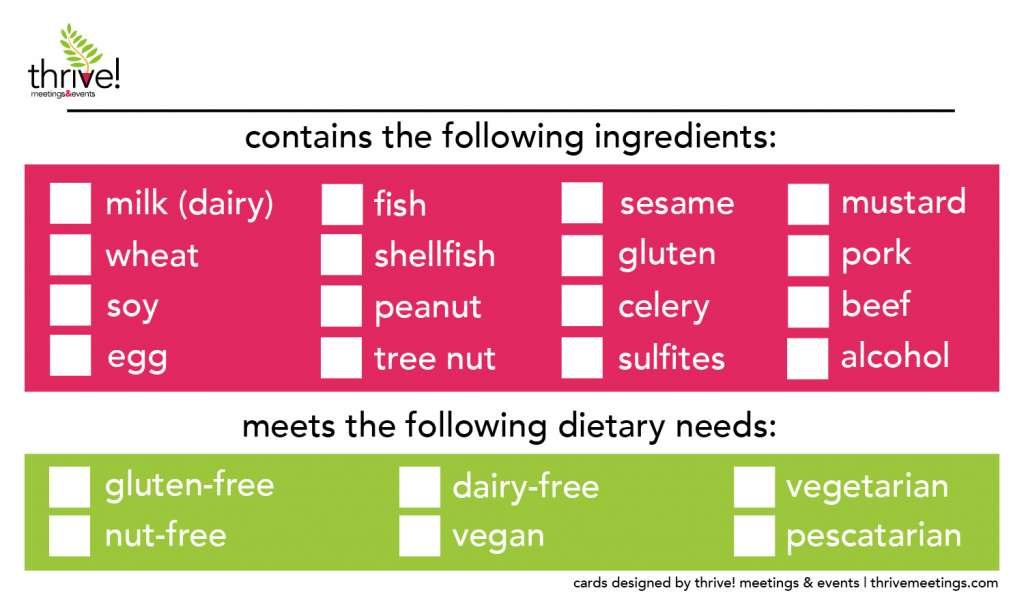
Hosting a gathering, planning an event, or even just cooking for a family with varied palates used to be straightforward. Today, however, navigating the landscape of Dietary Needs & Unique Options has become an art form. It's about more than just good food; it’s about thoughtful hospitality, ensuring every guest feels welcome, safe, and truly catered to. From life-threatening allergies to ethical lifestyle choices and religious observances, understanding and accommodating these diverse requirements can transform a good meal into a truly memorable experience.
This guide isn't just about listing restrictions; it's about empowering you with the knowledge and practical strategies to confidently plan and execute inclusive dining experiences. We’ll delve into the 'why' behind various dietary needs, explore specific food groups, and arm you with a practical playbook for seamless accommodation.
At a Glance: Key Takeaways for Inclusive Dining
- Communicate Early & Often: Always ask guests about restrictions before planning the menu.
- Understand the "Why": Differentiate between allergies (medical, life-threatening), intolerances (discomfort), lifestyle choices (preferences), and religious tenets (beliefs).
- Master the Major Categories: Get familiar with common allergies, gluten-free, dairy-free, vegetarian, vegan, keto, kosher, and halal requirements.
- Prevent Cross-Contamination: This is critical for allergies and celiac disease; use separate tools, surfaces, and ingredients.
- Focus on Naturally Compliant Foods: Build menus around whole, unprocessed ingredients that many diets can enjoy.
- Label & Inform: Clearly label dishes, especially at buffets, and be ready to discuss ingredients.
- Prepare for Emergencies: Especially for severe allergies, know the signs and have a plan.
The Unspoken Plate: Why Dietary Needs Are More Than Just Preferences
Behind every dietary request is a story – one of health, conviction, or culture. Ignoring these signals isn't just poor hospitality; it can be dangerous or deeply disrespectful.
1. Medical Necessities: These are non-negotiable. Food allergies, intolerances, and conditions like diabetes directly impact a person's health and safety. A misstep here can lead to severe discomfort or even a life-threatening emergency.
2. Lifestyle & Ethical Choices: Many people choose diets based on deeply held beliefs about animal welfare, environmental impact, or personal health philosophies. These are often as important to an individual as medical needs, reflecting core values.
3. Religious & Cultural Observances: For many, dietary laws are an integral part of their faith and identity. Adhering to these is a matter of spiritual observance and respect for tradition.
Recognizing these distinctions helps you approach accommodation with the appropriate level of diligence and empathy.
Navigating Medical Mandates: When Food Is Medicine (or Poison)
Medical dietary needs are paramount. For those with allergies, even a trace amount of an allergen can trigger a severe reaction. For others, specific foods can cause significant digestive distress or impact chronic conditions.
The Allergy Alert: Beyond Just a Preference
Food allergies involve an adverse immune system reaction to specific foods, and they can be life-threatening. Affecting approximately 10% of adults and 8% of children worldwide, common allergens include:
- Peanuts & Tree Nuts: Almonds, walnuts, cashews, pecans, pistachios. Often cross-react, meaning if someone is allergic to one, they may be allergic to others.
- Shellfish: Shrimp, crab, lobster.
- Eggs: Both whites and yolks.
- Soy: Common in many processed foods; often hidden.
- Fish: Salmon, cod, tuna.
- Wheat: Distinct from gluten sensitivity, it’s an immune response to wheat proteins.
- Milk: A cow's milk allergy is an immune reaction to the proteins casein or whey, distinct from lactose intolerance.
Accommodation Requires: Complete elimination of the allergen. This means meticulous ingredient reading, using separate preparation areas, and being acutely aware of cross-contamination. Emergency preparedness for severe reactions (like having an EpiPen accessible and knowing how to use it) is non-negotiable.
Lactose Intolerance: The Dairy Dilemma
Lactose intolerance is the inability to properly digest lactose, the sugar found in dairy products, due to insufficient lactase enzyme production. It affects about two-thirds of the adult population globally. Symptoms include bloating, gas, and digestive discomfort.
Suitable Options & Alternatives:
- Lactose-free dairy products: Milk, yogurt, ice cream (contain lactase enzyme).
- Fermented dairy products: Some individuals can tolerate small amounts of yogurt or kefir, as bacteria predigest some lactose.
- Hard, aged cheeses: Parmesan, sharp cheddar often have very low lactose content.
- Clarified butter/ghee: Mostly milk fat, with very little lactose.
- Plant-based milks: Almond, oat, soy, coconut, rice milk are excellent dairy-free alternatives.
When planning, consider dishes that are naturally dairy-free or easily adaptable. For instance, a hearty curry made with coconut milk can be a fantastic option.
Gluten Sensitivity & Celiac Disease: More Than Just a Fad
Gluten, a protein found in wheat, barley, and rye, is the culprit here.
- Celiac Disease: This is a severe autoimmune disorder where gluten consumption damages the small intestine, requiring strict, lifelong gluten avoidance. Even tiny amounts can cause significant harm.
- Non-Celiac Gluten Sensitivity (NCGS): People with NCGS experience similar symptoms (digestive issues, fatigue, brain fog) but without the autoimmune damage seen in celiac disease. Many with NCGS also have multiple food intolerances.
The Gluten-Free Diet: Eliminates all products containing wheat (including spelt, farro, durum, semolina), barley, and rye. Oats are naturally gluten-free but are often cross-contaminated during processing; certified gluten-free oats are essential for celiac sufferers.
Naturally Gluten-Free Alternatives: - Grains: Rice (brown, white, wild), quinoa, corn, millet, amaranth, buckwheat (a pseudo-grain), sorghum, teff.
- Starches: Tapioca, potatoes, sweet potatoes.
- Legumes: Beans, lentils, chickpeas.
- Fruits & Vegetables: All are naturally gluten-free.
- Proteins: Meats, fish, poultry, eggs, tofu, nuts, seeds.
Preventing cross-contamination is critical for celiac disease. This means using separate cutting boards, utensils, toasters, and even separate fryers when preparing gluten-free foods alongside other ingredients. When dining out, knowing which restaurants prioritize safe preparation can make all the difference. For those exploring Jackson Hole's gluten-free options, transparency about kitchen practices is key.
Diabetes: Balancing Blood Sugar
Diabetes involves an impaired ability to metabolize carbohydrates, leading to high blood sugar levels. Dietary recommendations focus on a healthy eating pattern to manage blood sugar, weight, and overall health.
Key Principles:
- Focus on Whole Foods: Emphasize high-fiber whole grains, legumes, lean proteins, and a wide variety of both starchy and nonstarchy vegetables.
- Low Glycemic Index (GI) Foods: Prioritize foods that cause a slower, more gradual rise in blood sugar. Examples include most vegetables, berries, apples, pears, whole grains like oats and quinoa, and lean proteins.
- Limit Refined Carbs & Sugar: Sugary drinks, refined grains (white bread, pasta), sweets, and desserts should be limited. Pay attention to hidden sugars in sauces and dressings.
- Portion Control: Moderate amounts of all food groups are important.
For diabetic guests, offering balanced meals with plenty of vegetables, lean protein, and whole grains, while keeping high-sugar items clearly labeled or separate, is a considerate approach.
Embracing Lifestyle & Ethical Preferences: Choices That Matter
Beyond medical needs, many individuals adopt dietary patterns based on ethical convictions, health goals, or personal preferences. While not life-threatening, respecting these choices is crucial for making guests feel comfortable and valued.
Vegetarianism: A World Beyond Meat
Vegetarian diets exclude meat, poultry, and fish. This broad category has several variations:
- Lacto-vegetarians: Include dairy products (milk, cheese, yogurt).
- Ovo-vegetarians: Include eggs.
- Lacto-ovo-vegetarians: Include both dairy and eggs.
- Pescatarians: Include fish, dairy, and eggs, but no other meat or poultry.
- Semi-vegetarians or Flexitarians: Mostly plant-based but occasionally consume meat.
Accommodating Vegetarians: Focus on diverse plant-based protein sources like beans, lentils, tofu, tempeh, edamame, nuts, and seeds. Emphasize vibrant fruits, vegetables, and whole grains. Many cuisines, like Indian, Mediterranean, and Mexican, offer a wealth of naturally vegetarian dishes.
Veganism: The Ultimate Plant-Based Commitment
Vegan diets are a stricter form of vegetarianism, eliminating all animal products. This includes meat, dairy, eggs, honey, gelatin, casein (milk protein), and whey (milk protein).
Key Considerations for Vegans:
- Hidden Animal Products: Check labels for ingredients like gelatin (from animal collagen), casein/whey, lard, or even honey in sauces, dressings, and baked goods.
- Nutrient Planning: Ensure adequate protein (from legumes, nuts, seeds, soy products), iron, B12 (often supplemented or fortified foods), and omega-3s.
- Plant-Based Alternatives: Utilize plant-based milks, cheeses, yogurts, and egg substitutes.
Creating a robust vegan option is often the simplest way to cover many dietary bases, as it naturally caters to dairy-free, egg-free, and most vegetarian needs. If you're looking for vegan dining in Jackson Hole, you'll find places that excel at crafting diverse plant-based menus.
Keto & Low-Carb Diets: Fueling with Fats
These diets restrict carbohydrate intake significantly, shifting the body's metabolism to burn fat for fuel.
- Ketogenic (Keto) Diet: Very low-carb (20-50g per day), high-fat diet. Limits grains, legumes, starchy vegetables (potatoes, corn), most fruits (except berries in moderation), and high-sugar foods.
- Recommended foods: Protein (meat, poultry, fish, eggs, tofu), fats (nuts, seeds, butter, avocado, olive oil, coconut oil), nonstarchy vegetables (leafy greens, broccoli, cauliflower, zucchini), small amounts of low-sugar fruits (berries).
- Low-Carb Diets: Similar to keto but less strict, typically restricting carbs below 120g per day. They limit refined sugar, highly processed foods, sugary drinks, white bread, pasta, and starchy vegetables.
- Emphasis on: Animal-based proteins, nonstarchy vegetables, fruits, nuts, seeds, and healthy fats.
Accommodating Keto/Low-Carb Guests: Focus on grilled meats or fish, nonstarchy vegetable sides (steamed or roasted with healthy fats), and salads with oil-and-vinegar dressings. Offer a protein source and a large vegetable portion, avoiding carby sides like rice, potatoes, or bread.
Dairy-Free Diets: Complete Exclusion
While lactose intolerance focuses on the sugar in dairy, a true dairy-free diet (often for cow's milk allergy) means excluding all dairy products, including lactose-free varieties, as the issue is with the milk proteins (casein, whey). This includes milk, cheese, yogurt, cream, butter, and many processed foods containing dairy derivatives.
Plant-Based Substitutes: Are essential. Almond, oat, soy, coconut milk are widely available, as are dairy-free cheeses, yogurts, and butter alternatives. When baking, oil or applesauce can often replace butter.
Respecting Religious Observances: Faith on the Plate
Religious dietary laws are deeply personal and rooted in faith. Accommodating them demonstrates profound respect for a guest's beliefs.
Kosher Dietary Laws (Jewish): A Detailed Framework
Kosher laws dictate which foods are permissible ("kosher") and how they must be prepared. Key rules include:
- Forbidden Foods: Pork and shellfish are strictly prohibited.
- Meat & Dairy Separation: This is a cornerstone. Meat and dairy products cannot be mixed in the same meal, and a waiting period is observed between consuming them. Separate utensils, dishes, and preparation areas are required.
- Permissible Animals: Meat must come from specific ruminant animals with split hooves and that chew their cud (e.g., beef, lamb, goat). Poultry must be traditional fowl (e.g., chicken, turkey). Animals must be slaughtered by a certified butcher ("shochet") in a prescribed manner and salted to remove blood.
- Fish: Must have fins and scales (e.g., salmon, tuna, cod).
- Pareve Foods: Foods considered "neutral" (fish, eggs, grains, nuts, fruits, vegetables, plant-based oils) can be served with either meat or dairy.
Accommodation Challenge: For truly kosher meals, sourcing kosher-certified ingredients and adhering to strict separation rules for preparation is essential. When hosting, providing a certified kosher meal from a caterer is often the safest bet, or offering a robust Pareve meal that avoids both meat and dairy is a good alternative.
Islamic Dietary Laws (Halal): Purity and Permissibility
Halal dietary laws (meaning "permissible" in Arabic) are part of Islamic jurisprudence.
- Forbidden Foods (Haram): Pork and its by-products (including gelatin, some emulsifiers), and alcohol are strictly prohibited.
- Halal Meat: Requires specific preparation methods, including slaughter by a Muslim with a blessing, ensuring the animal is healthy and unstunned, and blood is drained completely.
- All Ingredients Matter: These restrictions extend to any foods containing pork-derived ingredients or alcohol-based extracts (e.g., vanilla extract, some sauces).
Accommodation: Requires careful checking of ingredient lists for hidden non-halal components. Ensuring meat is sourced from approved halal providers is critical. Offering a vegetarian or vegan option can often serve halal guests well, provided no alcohol is used in preparation.
The Golden Rules of Accommodation: A Practical Playbook
Moving from understanding to action requires a strategic approach. Here’s how to put theory into practice for effortless, inclusive hosting.
1. Communicate, Communicate, Communicate: The First & Most Important Step
The biggest pitfall in catering to diverse needs is simply not knowing.
- Ask Early: When inviting guests, include a line about dietary restrictions or allergies. "Please let us know if you have any dietary restrictions or allergies we should be aware of."
- Be Specific: For severe allergies, ask for details on cross-contamination risk and severity.
- Confirm: Reconfirm closer to the event, especially for large gatherings.
- Be Prepared to Explain: Be ready to describe dishes in detail.
2. Becoming an Ingredient Sleuth: What's Really in There?
Ingredient awareness is paramount.
- Read Labels Meticulously: Look for common allergens (nuts, milk, soy, wheat) and hidden ingredients (e.g., "modified food starch" can contain wheat, "casein" or "whey" for dairy).
- Question Restaurant/Caterer Practices: Don't hesitate to ask your service provider detailed questions about ingredients and preparation methods.
- Stick to Whole Foods: The fewer ingredients a dish has, the easier it is to track and verify.
3. Mastering Cross-Contamination Prevention: The Allergy Lifesaver
For severe allergies and celiac disease, preventing cross-contamination is critical.
- Separate Surfaces & Utensils: Use dedicated cutting boards, knives, spatulas, and serving spoons for allergen-free foods. Color-coded tools can help.
- Dedicated Prep Area: If possible, designate a separate, clean area for preparing allergen-free meals.
- Cooking Order: Prepare allergen-free meals first, then clean all surfaces and tools before moving to other foods.
- Avoid Shared Equipment: Toasters, fryers, and even microwaves can harbor allergens.
- Serve Smart: Place allergen-free dishes separately on a buffet line, preferably first, to avoid "splash-over" from other dishes. Clearly label everything.
4. Crafting Inclusive Menus: Solutions, Not Sacrifices
Think "naturally inclusive" rather than "special meal."
- Component-Based Dishes: Instead of a fully mixed casserole, serve components separately. Grilled chicken, roasted vegetables, and a grain like quinoa can be combined differently by various guests.
- Built-in Options: Make sure your main protein is often adaptable (e.g., grilled fish for pescatarians, tofu for vegans). Offer several vegetable sides, some with and some without dairy.
- Focus on Fruits & Veggies: These are naturally compliant with most diets. A vibrant salad bar with various dressings and toppings (nuts, seeds, beans) is always a winner.
- Simple is Safe: Often, simpler preparations with fewer ingredients are easier to verify and safer for guests with restrictions. For events that require extensive options, such as Jackson Hole group dining options, working with an experienced chef or caterer who understands these principles is invaluable.
5. Emergency Preparedness for Allergies: A Plan for Peace of Mind
Differentiate between food preferences and medical necessities.
- Take Allergies Seriously: Never assume a guest can "pick around" an allergen.
- Know the Signs: Be aware of symptoms of allergic reactions (hives, swelling, difficulty breathing, dizziness).
- Have a Plan: Know where emergency medications (like an EpiPen) are, and how to use them. Know how to call for medical help quickly.
- Communicate the Plan: If a guest has a severe allergy, gently ask them about their emergency plan and if they have their medication.
Beyond the Plate: Creating an Experience
Ultimately, accommodating dietary needs is an extension of gracious hosting. It's about making everyone feel seen, respected, and safe enough to enjoy themselves fully. When you plan thoughtfully, you’re not just providing food; you’re providing comfort, care, and a truly inclusive experience.
By embracing the variety of Dietary Needs & Unique Options that your guests bring to the table, you elevate your hosting from merely functional to truly exceptional. It demonstrates a level of care and attention that resonates deeply, turning a simple meal into a powerful statement of welcome. So, take a deep breath, arm yourself with this knowledge, and enjoy the rich experience of feeding everyone at your table.